
You buy a white wine for dinner and put it in the fridge. Meanwhile, you have several reds you plan to open over the coming months. Do they all need the same space? The difference between a wine cooler and a fridge is easier to understand when you separate two needs: chilling a bottle and storing a collection.
The fridge can be a practical way to prepare wine before serving. A suitable wine cooler provides dedicated space, with settings and a layout designed around wine. The right choice depends on your habits, storage time and the model's features.
Quick answer: use the fridge to chill a bottle you will drink soon. If you want to organise several bottles, keep wines at serving temperatures or store them for longer, consider a wine cooler designed for that purpose.
For long-term ageing, check that the appliance is suitable. A serving wine cooler and an ageing cabinet do not necessarily offer the same features.
Wine cooler and fridge: two appliances with different purposes
A domestic refrigerator is primarily designed to store food. Its interior is shared between containers, drinks, vegetables and other groceries, and you open it as needed throughout the day.
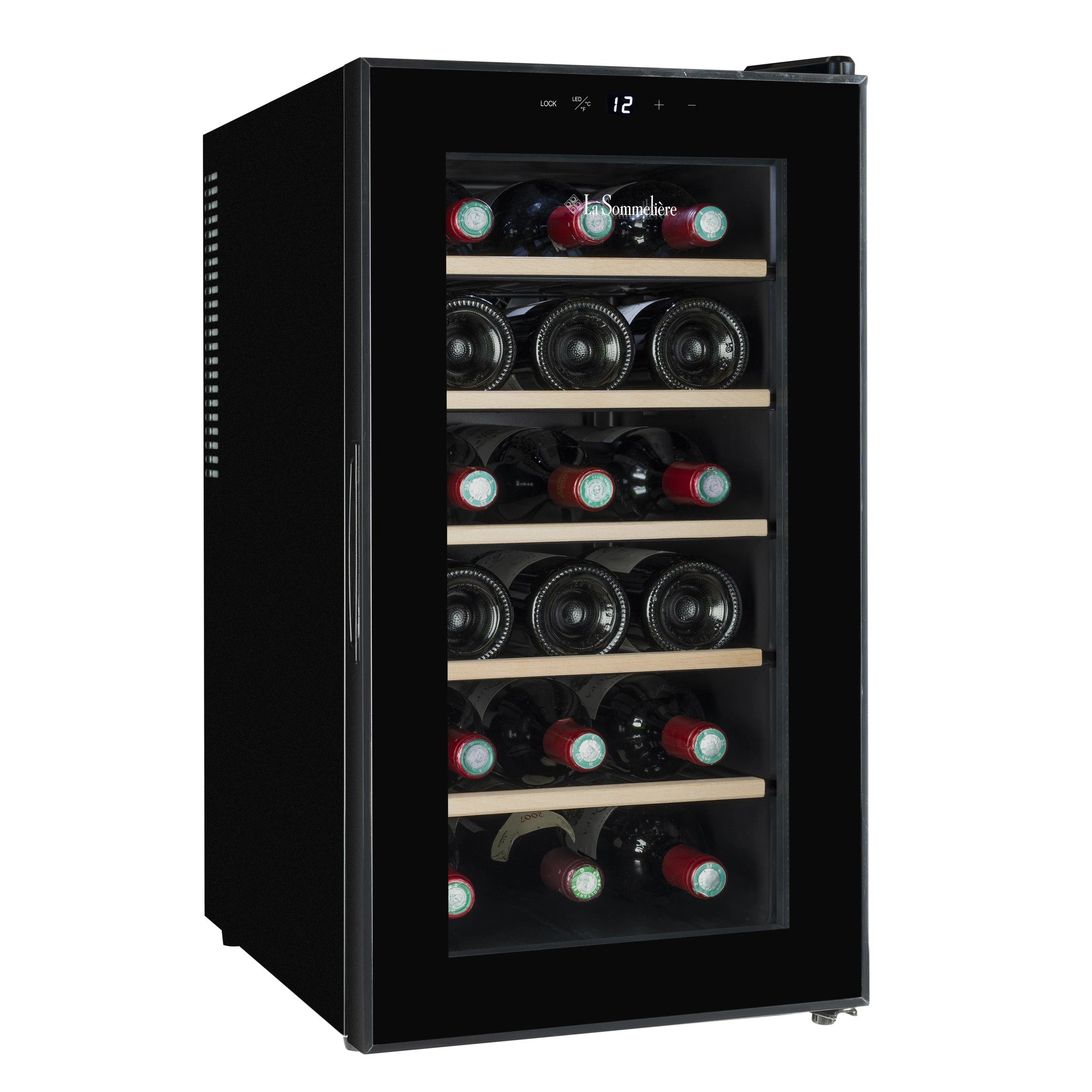
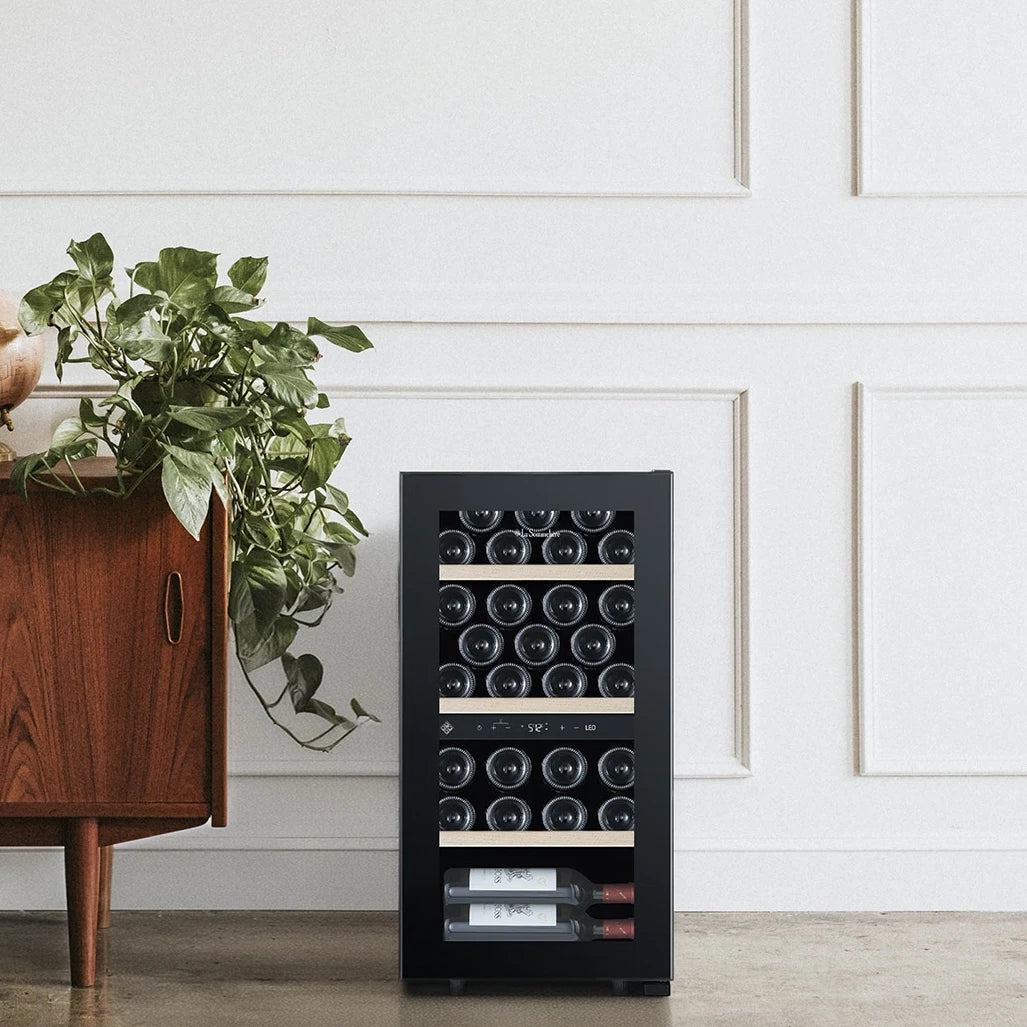
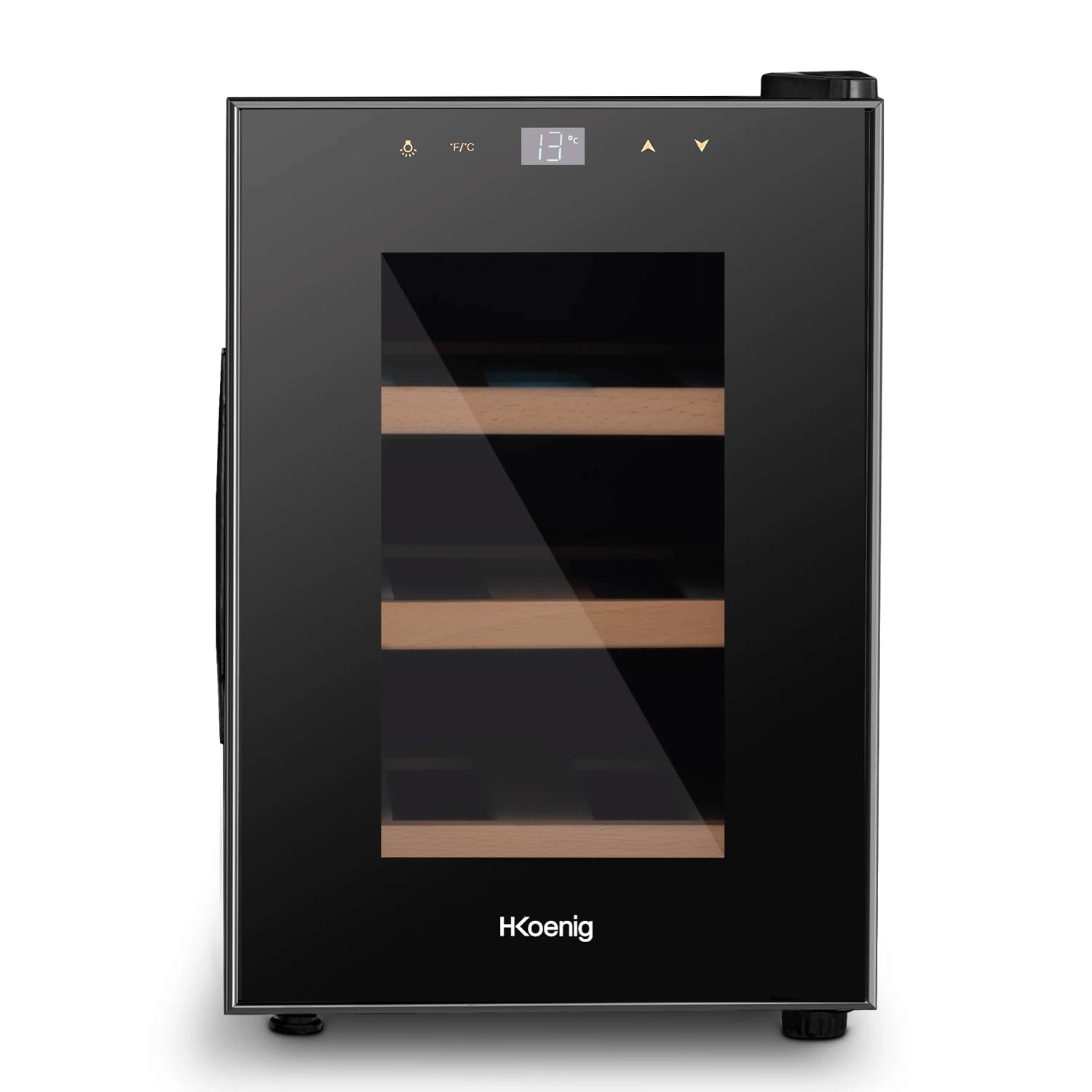
A home wine cooler is dedicated to wine: shelves, capacity and settings are organised around bottles. This category includes models for serving, storage and ageing. Rather than comparing names alone, check the intended use of each appliance.
Example: chilling an Albariño to open tonight is a one-off task. Keeping a selection of bottles for future occasions calls for consideration of capacity, storage conditions and access to the collection.
Infographic: what changes between a fridge and a wine cooler

The differences that matter for storing wine
1. Temperature: chilling and storing are different goals
The usual operating temperature of a food fridge is generally lower than the reference temperature used for ageing wine. A suitable ageing cabinet may operate at around 12 °C, while serving temperature depends on the style of each bottle.
A full-bodied red and a light white are not necessarily enjoyed at the same temperature. A wine cooler lets you choose an appropriate setting within its available range, without changing the operation of the refrigerator used for food.
This does not mean a spell in the fridge automatically spoils wine. If a bottle becomes too cold to serve, allow it to reach a more suitable temperature gradually before enjoying it. Read our guide to ideal wine temperatures to refine your choice according to style.
2. Ageing conditions: review the full set of features
For a collection that will remain in storage, consider temperature stability, humidity, protection from light and reduced vibration. Ageing models may incorporate specific solutions for these needs.
Not every wine cooler actively controls humidity. A humidity display, a system that helps retain moisture and an adjustable humidity setting are different features. Nor should you assume every glass door provides the same level of UV protection. Check the manufacturer's specifications.
If you want an appliance for wines you plan to let develop, start with our EuroCave wine coolers and review the intended purpose of each range. The aim is to choose conditions suited to your collection, as well as a design you like.
3. Organisation: space designed for bottles
In a fridge, wine shares space with the daily groceries. A wine cooler lets you dedicate shelves to bottles you will open soon, special wines or different regions. This organisation makes it easier to find what you want without rearranging food.
Consider bottle formats and how easily you can remove them. Champagne, Burgundy bottles and unusual formats may take up more room than the nominal capacity suggests. Our article on bottle sizes and wine cooler capacity explains how to interpret that figure.
4. Daily use: preparing one bottle or keeping several available
If you buy wine for a particular meal, you can plan its chilling in the fridge. When you regularly alternate between wines, dedicated space helps keep a selection ready within the appliance's capabilities.
One zone may be sufficient for a shared purpose. Two zones offer flexibility if you want to maintain two temperatures at once. Before choosing, check each compartment's ranges and capacity. Our guide to single-zone and dual-zone wine coolers explores that decision with examples.
Practical comparison: wine cooler versus refrigerator
| Aspect | Domestic fridge | Wine cooler |
|---|---|---|
| Main purpose | Food storage. | Serving or ageing wine, depending on the model. |
| Occasional chilling | Can prepare a bottle for serving. | Organises serving within its temperature range. |
| Long-term storage | Not its specific purpose. | Requires a model suited to ageing. |
| Layout | Space shared with food. | Shelves and supports intended for bottles. |
| Humidity, UV and vibration | Design focused on domestic refrigeration. | Features to verify for each model. |
| Space and energy | Uses an appliance you already have. | Adds an appliance: compare dimensions and annual kWh. |
When the fridge may be enough
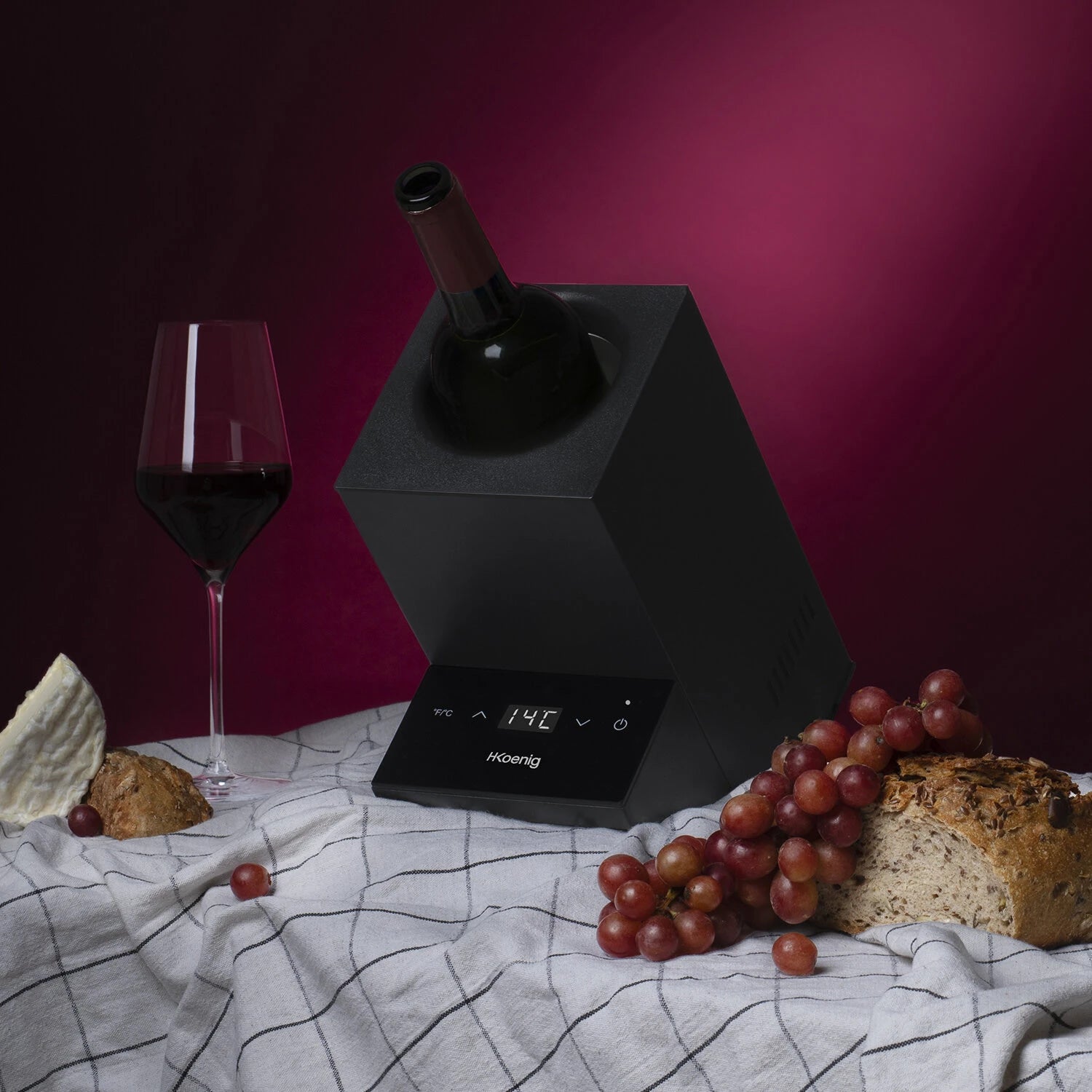
If you buy few bottles and open them soon, your main need may be to chill wine before serving. The fridge can handle that occasional preparation; a bucket with ice and water can also help when you need to chill a bottle for the table.
Example: you buy a white on Friday to share on Saturday. Prepare its temperature before lunch and check it when serving. One occasion does not require buying another appliance.
The decision changes when bottles begin to accumulate, you want to keep several ready or you need storage conditions for longer. Define that need first so you can choose a capacity you will use.
When adding a wine cooler makes sense
- Your collection is growing. You want dedicated space for your wines and easy access to them.
- You regularly alternate between styles. You value suitable serving settings, with one or more zones depending on the appliance.
- You keep wines for future occasions. You need to check storage conditions and choose a model suited to that time frame.
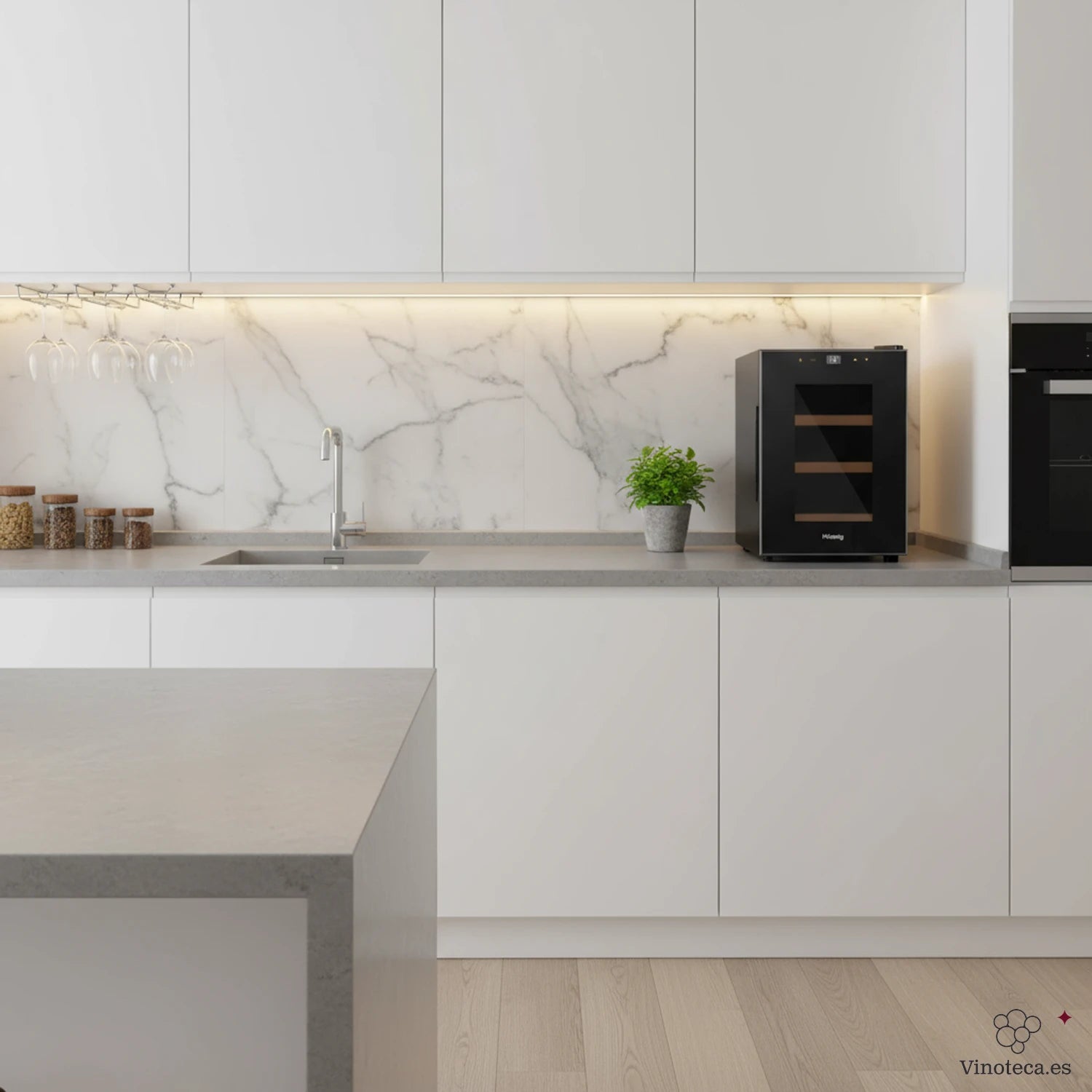
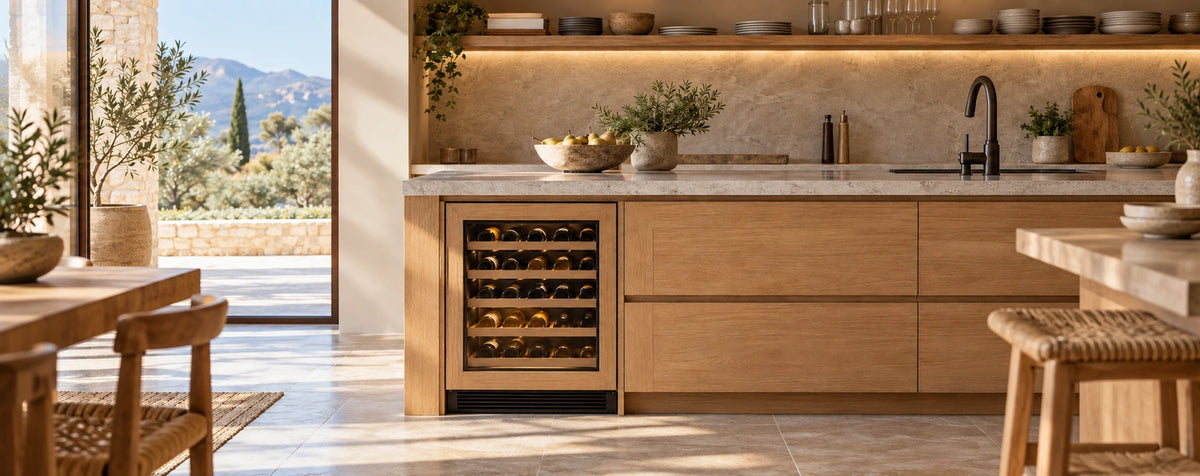
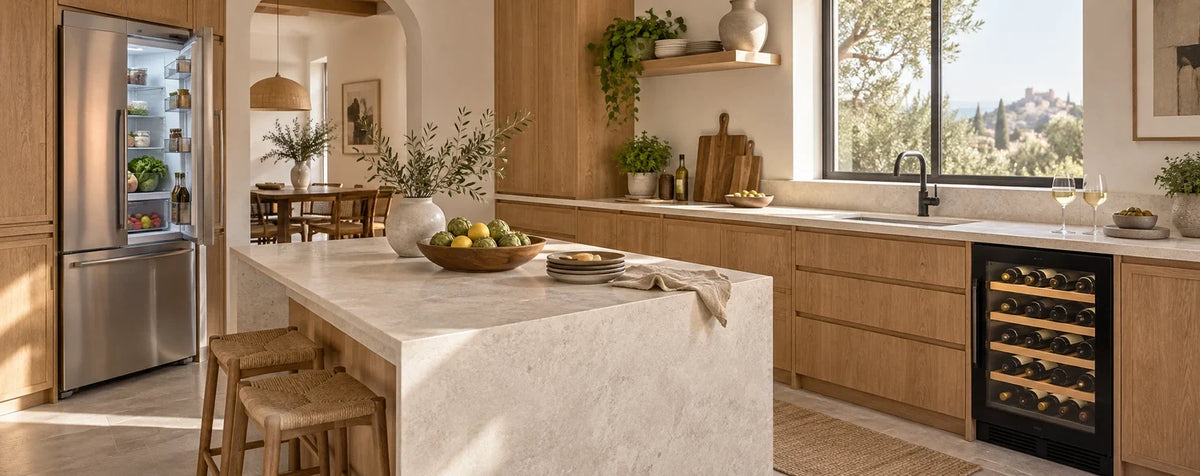
- You are designing or renovating the kitchen. You can plan the installation, ventilation and door opening from the outset.
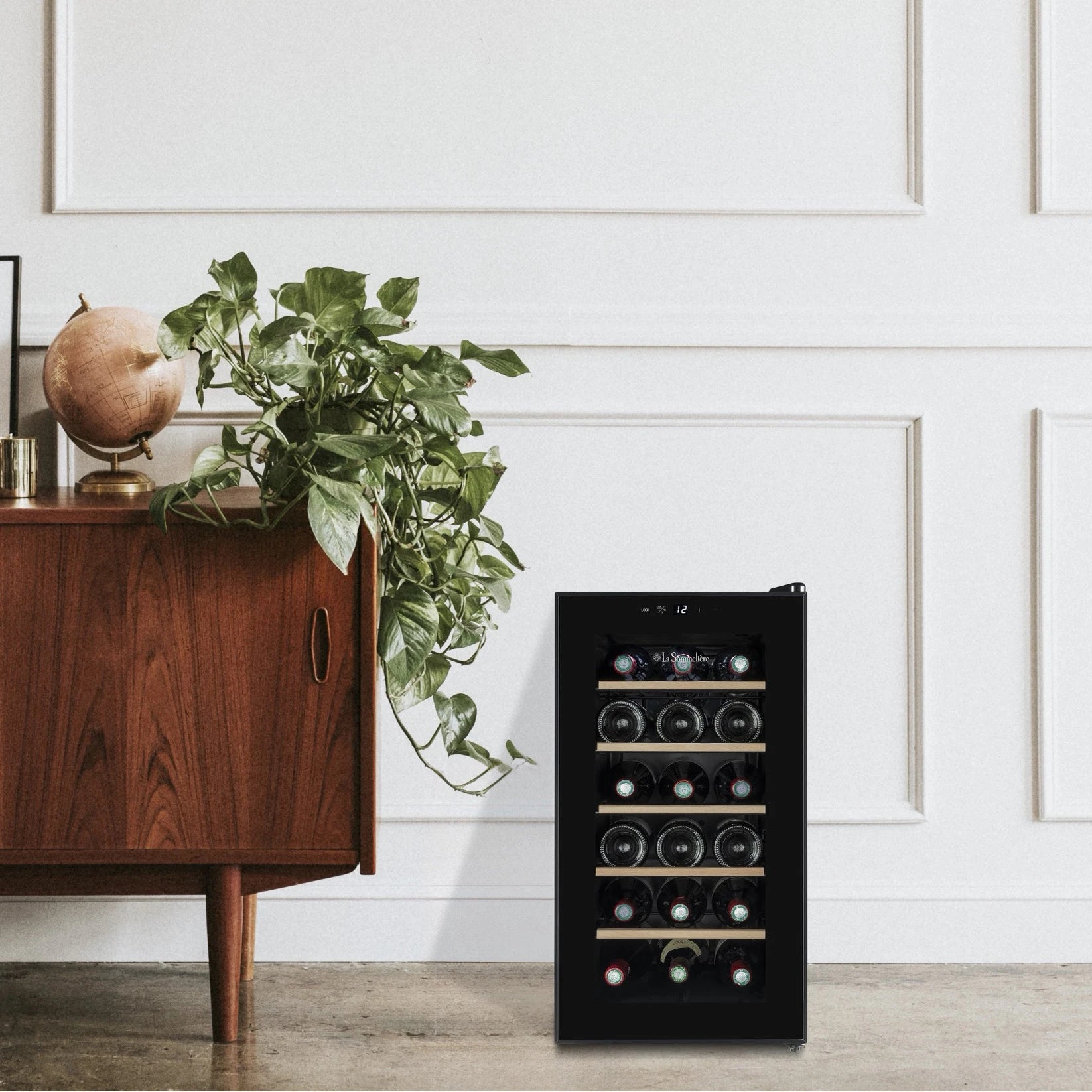
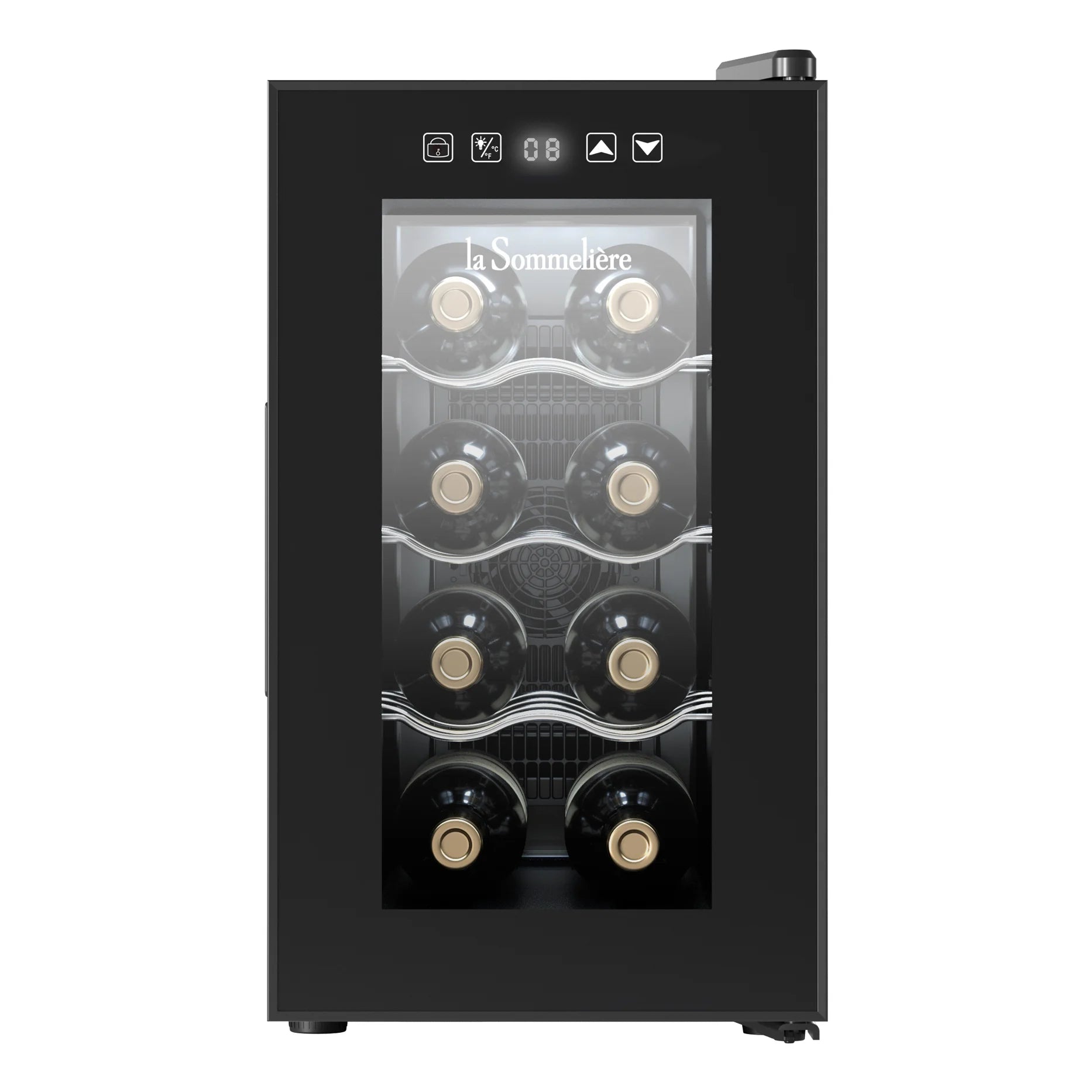
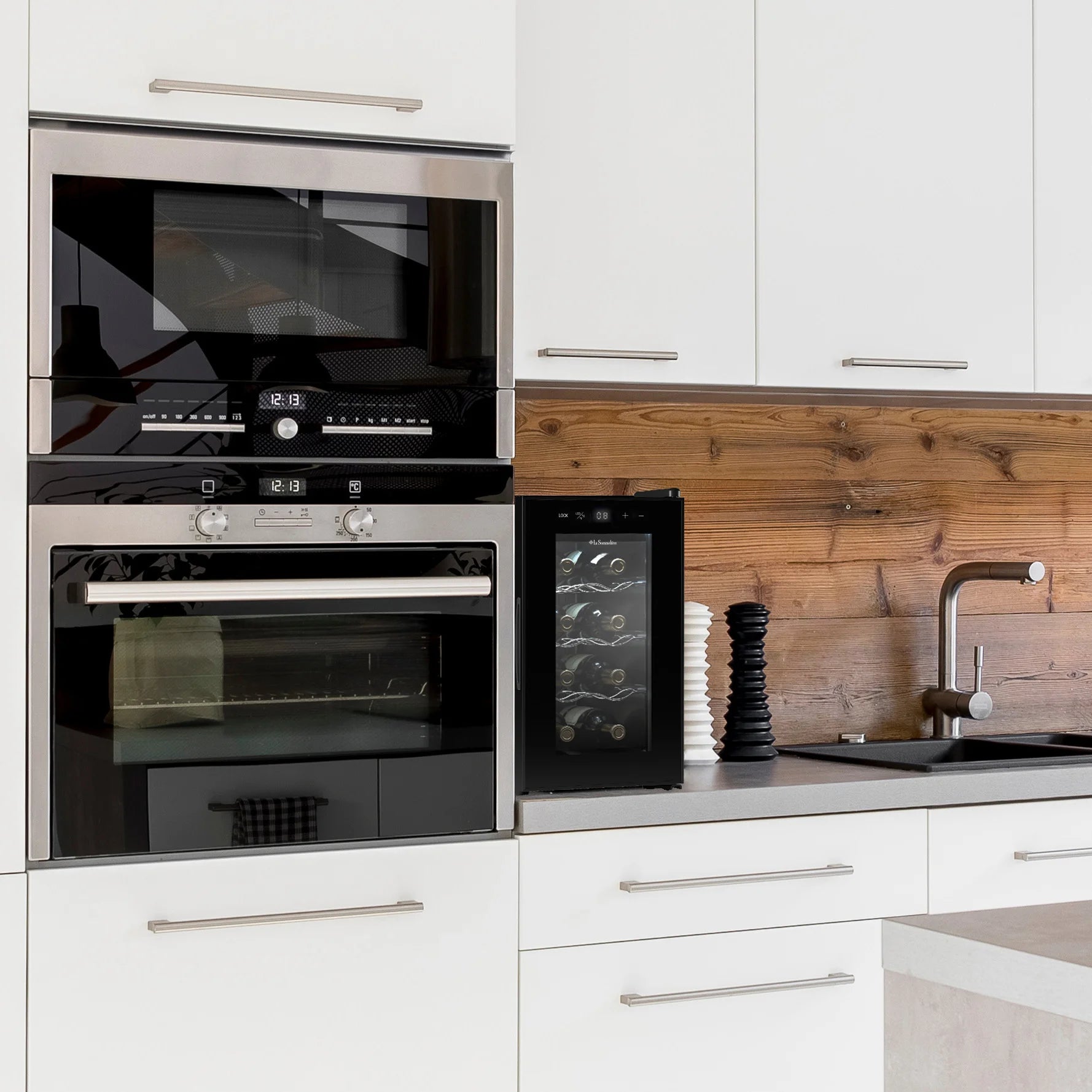
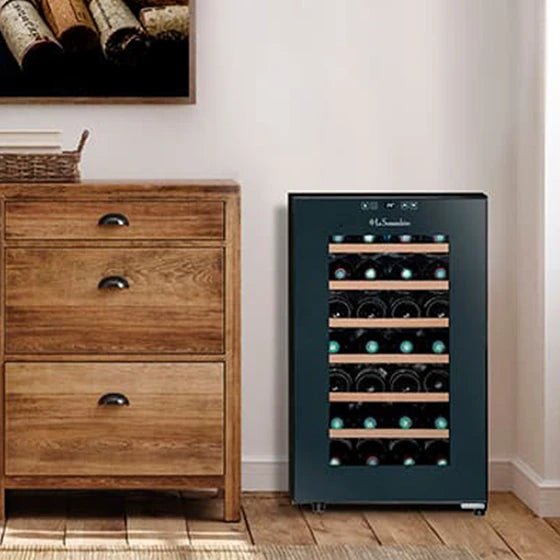
For a modest selection, explore our small wine coolers. Once your intended use is clear, compare single-zone wine coolers and dual-zone wine coolers. For a cabinetry project, review our built-in wine coolers.
What to check before buying
- Intended purpose: serving, storage or ageing.
- Temperature range and zones: permitted settings and bottle allocation.
- Usable capacity: actual bottle formats, shelves and room for future purchases.
- Installation: dimensions, ventilation, door opening and permitted ambient temperature.
- Storage features: humidity, door protection and reduced vibration where relevant to your collection.
- Energy and noise: declared figures, comparing models with similar capacities and purposes.
Before reserving the space, read where to install a wine cooler. To assess running costs, consult our guide to how much electricity a wine cooler uses.
Frequently asked questions
Does putting red wine in the fridge spoil it?
Occasional chilling does not mean the wine is spoiled. Its use and drinking temperature matter: if it becomes too cold, let it warm gradually. Long-term storage calls for consideration of other conditions.
Can I keep white wine in the fridge?
Yes, to chill it before drinking. If you want to keep bottles for prolonged periods or build a collection, consider space and an appliance appropriate for storage.
Can any wine cooler age wine?
No. Check that the specifications indicate suitability for ageing and review the features. Selecting a particular temperature does not, by itself, turn a serving wine cooler into an ageing cabinet.
Do I need two zones if I have reds and whites?
Not necessarily. They can share storage conditions in a suitable cabinet. Two zones are useful when you want different serving temperatures at the same time.
Will a wine cooler preserve an open bottle indefinitely?
No. An open bottle needs an appropriate closure and attention to elapsed time. Controlling temperature does not eliminate oxygen exposure or guarantee a fixed lifespan.
Which uses more electricity: a fridge or a wine cooler?
You cannot tell from the appliance category alone. Compare the declared annual kWh of specific models and remember that adding a wine cooler means another appliance.
A place for the wines you want to enjoy
Think about the bottles you buy, when you open them and how much space you can dedicate to them. At Vinoteca.es, we help you choose an appliance that suits the way you enjoy wine.
Discover our small wine coolers or compare single-zone and dual-zone models to find an option that fits your collection.