
Wine serving temperature guide
The right serving temperature unlocks aroma, balance and texture. Use this guide to choose the ideal range for every wine style.
1. Ideal serving temperatures by wine type
Each style has a sweet spot: too cold and aromas shut down; too warm and alcohol can dominate. Use the ranges below as a practical baseline.
Serving temperature table
| Wine type | Ideal range | Quick tip |
|---|---|---|
| Sparkling wines | 5–8 °C | Keeps bubbles and freshness. |
| Sweet whites | 6–9 °C | Balances sweetness and acidity. |
| Young / dry whites | 7–10 °C | Enhances aroma without flattening the wine. |
| Rosé & oaked whites | 10–12 °C | Slightly warmer to show texture. |
| Young / light reds | 12–14 °C | Fresh fruit, less alcohol dominance. |
| Full-bodied reds | 14–17 °C | Balance between tannins, fruit and aroma. |
| Reserva / aged wines | 16–18 °C | More aromatic complexity. |
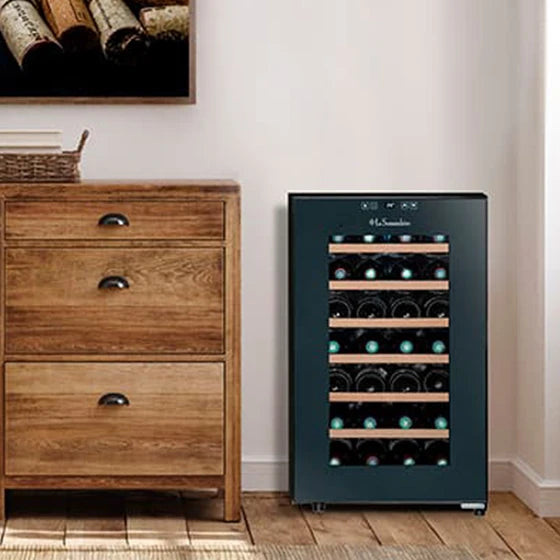
If you want to keep different styles ready to serve, a dual zone wine cooler is the easiest way to maintain consistent temperatures.
2. The “room temperature” myth
“Room temperature” used to mean around 16 °C in older homes. Today, many living rooms are 22–25 °C.
- 🔥At 24 °C, alcohol stands out and aromas lose definition.
- ❄️At 4 °C (kitchen fridge), aromas shut down; reds can feel harsher.
Tip: if a red feels “hot”, chill it 10–15 minutes before serving.
3. The science of taste
Temperature changes how we perceive alcohol, acidity, tannins and aromas. Small adjustments can dramatically improve balance.
Quick temperature guide
Quick answer: sparkling wines are best at 5–8 °C, most whites at 7–12 °C, and reds usually at 12–18 °C (lighter reds cooler, aged reds slightly warmer).
FAQs about wine serving temperature
Quick answers to the most common questions.


